
So like… you share a room… with strangers?
If you’ve never stayed at a hostel before, you probably have a lot of questions. And I’m guessing that the question you most want answered is how the room situation works. At least, that’s what I was the most hung up on before I became a seasoned hostel-goer, because let’s be honest here: the thought of sharing a bedroom with strangers is daunting. For reasons ranging from the general weirdness of the setup to worrying about your safety, the room situation in hostels is a common point of confusion. I’m here to shed some light on the subject.
Before I dive into how dorm rooms work, it’s also worth noting that if you’re new to hostels, intrigued by their setup, but apprehensive about sharing a room, there are private rooms available, in which your options are ensuite, single, twin, double, triple, or family room (I’ll give more detailed explanations in a second). However, these rooms cost much more. I’m talking about a jump from tens of dollars for a dorm, to over a hundred for a private room. It’s a big difference, but typically still cheaper than a hotel. The availability and type of private room will depend on the property you’re looking at, but generally speaking, hostels offer a few different styles of private rooms, some of which look and feel similar to a hotel room or an Airbnb. These are a great option for travelers looking to incorporate both socialization and privacy into their stay.
In case you feel like you have more questions than answers at this point, here’s a further breakdown of each type of private room:
Private Rooms
Private rooms most directly parallel the hotel accommodation style, but there is quite a range in type, size, and quality, depending on where you are staying.
Ensuite Private Rooms
Ensuite private rooms will have a bathroom attached to the room you book, meaning it is only used by you. (Note: Not all private rooms are ensuite, so it’s important to double check. You can book a private room and still share bathroom facilities with other guests, depending on the hostel’s setup).
Single Private Rooms
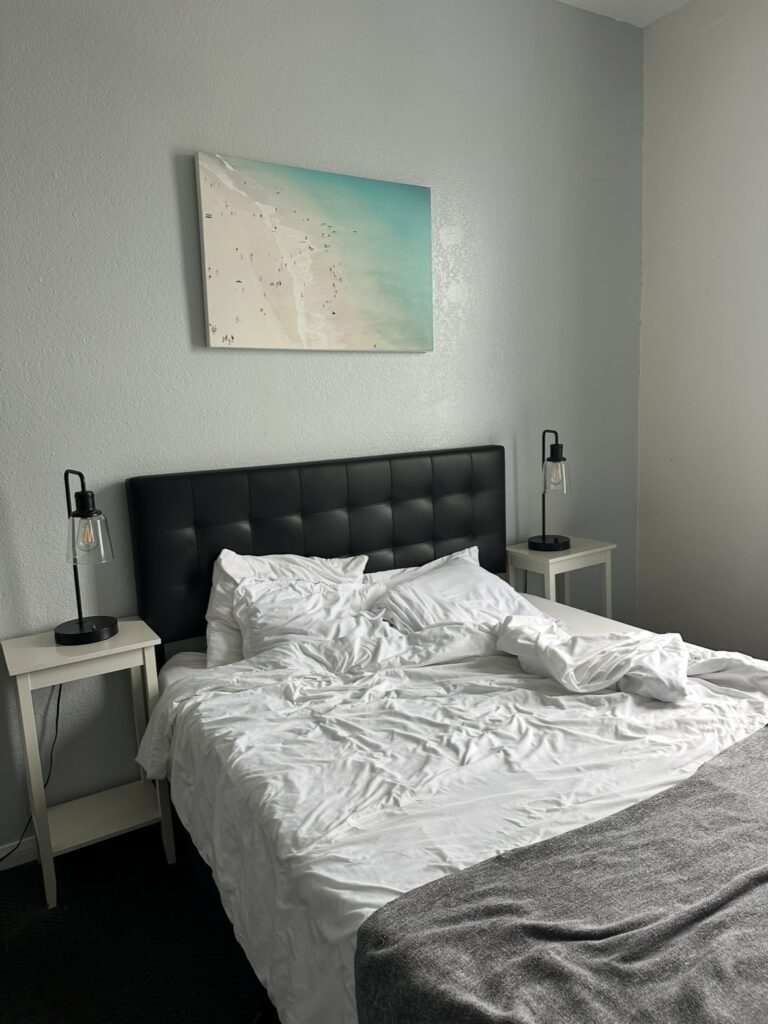
Single private rooms are, simply put, a private room with one single bed.
Twin Private Rooms
Twin private rooms are a private room with two single (twin) beds, designed for two travelers. If you are traveling with one other person, this is a great option. And if you are traveling alone and want to book out an entire room, you can, but you’ll have to pay for both beds. (Note: Once you are looking at rooms with more than one bed, anticipate the possibility of bunk beds. They are very, very commonly used in hostels for both private and dorm style rooms, because they utilize the space and allow for more guests).
Double Private Rooms
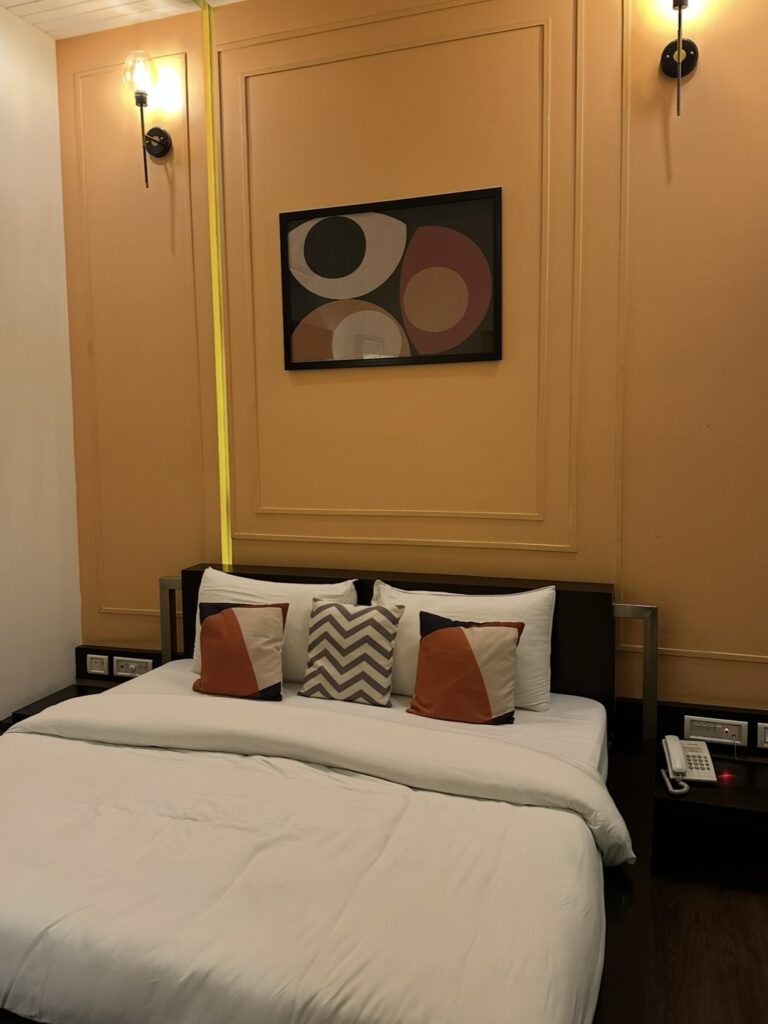
Double private rooms are similar to twins, but they should offer one large (double) bed, rather than two smaller beds. If you are traveling with your partner, this is a great option. And again, you can book out an entire room for just yourself, but since it is designed for two, you will have to pay for two people.
Triple Private Rooms
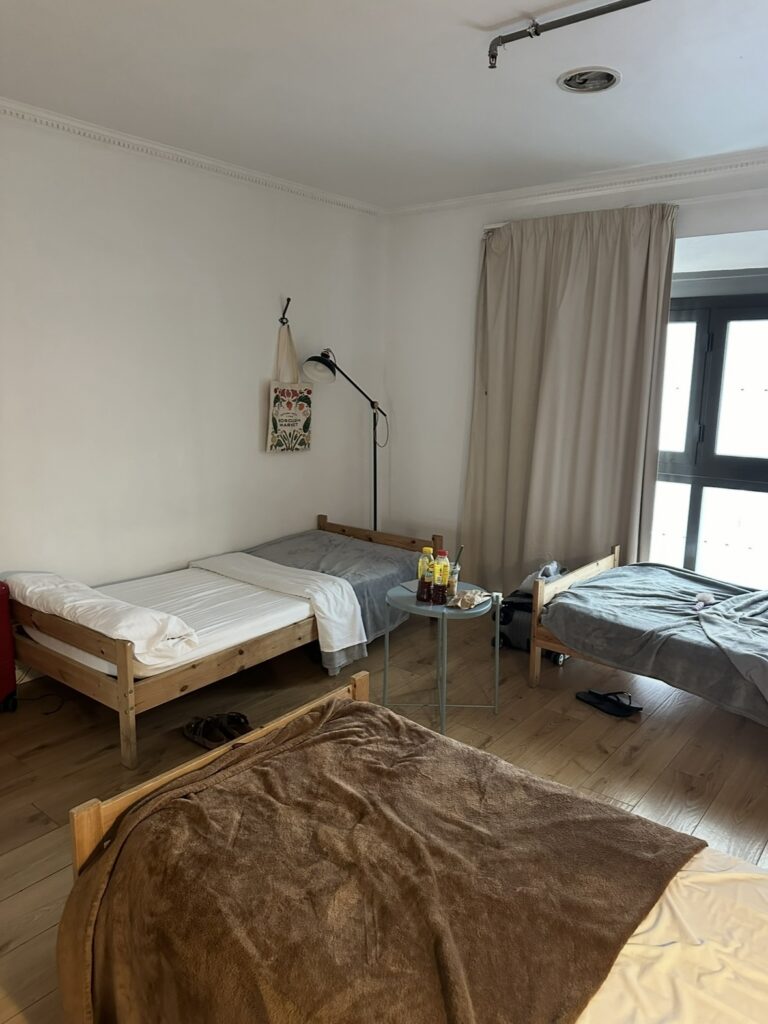
Triple private rooms essentially take single and double rooms and combine them. I have stayed in triple private rooms with my friends on several occasions and had great experiences each time. As always, options vary depending on where you are staying, but you can expect either three twin beds, one twin bed and one set of bunk beds, or one twin bed and one large bed. Another unbelievable option–that I only learned existed by living it myself–is triple bunk beds. Yes, three beds in a bunk. I almost whacked my head on the ceiling like 20 times.
Family Rooms
Family rooms are, by design, for families, meaning they will fit around 3 or 4 people. This might look like a double bed and a set of bunk beds, or two double beds. (Note: Even though they are self-described as family rooms, you can book these for a group of friends as well).
Dorm Rooms
Private rooms are an option at many hostels, but there are usually only a few on each property, if any, and they are likely to sell out fast. The predominant, general accommodation style of hostels is dorm rooms, in which your options are ensuite, all-female, all-male, or mixed. Dorm rooms will vary by the number of beds, but that amount typically begins at around 3-bed or 4-bed rooms. They most commonly range from 4-bed to 12-bed rooms, but some offer 20+ (and I really, really do not recommend that). In a dorm room, you’re paying for only your bed; the rest of the room is shared amongst you and other travelers. There is always a chance that no one else will be staying with you, but it’s not ever a guarantee, and it has only happened to me once or twice across thirty or so hostel stays. (Note: Generally, the more beds in a room, the cheaper it will be).
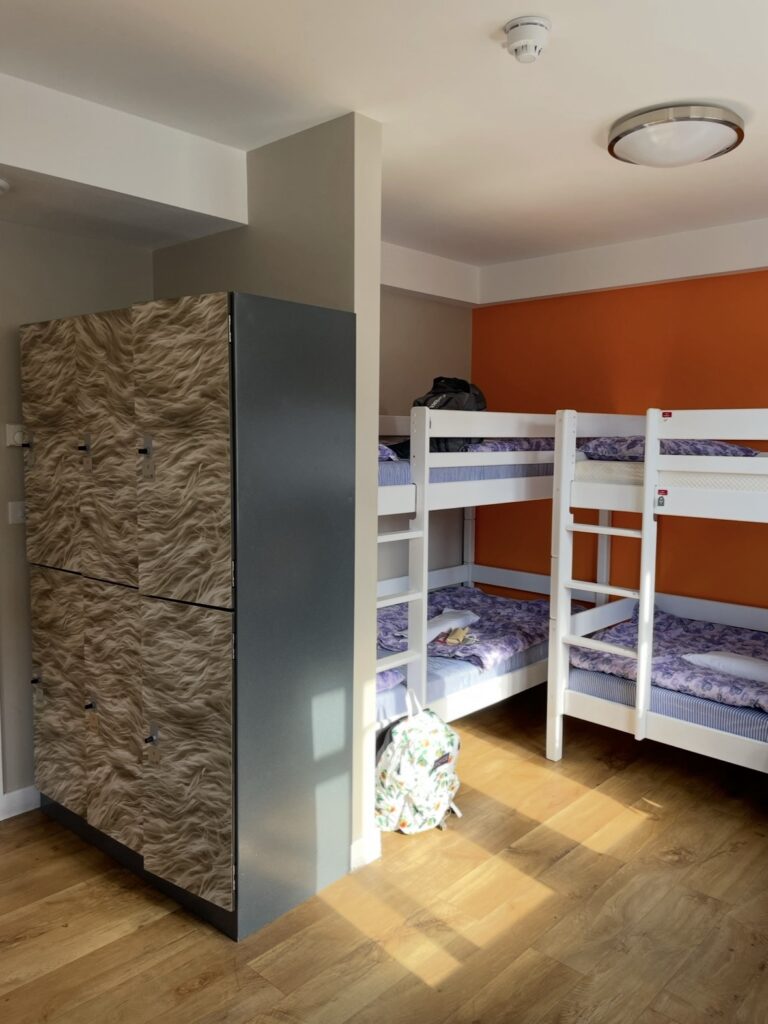
Now, let’s talk types:
Ensuite Dorm Rooms
Ensuite dorm rooms will have the bathroom attached to the room you book, meaning it is only used by you and anyone else who is in that particular room. In a 3-bed or 4-bed ensuite dorm, this is a great thing, but when you start getting up into higher numbers, it means you might be waiting awhile to freshen up.
All-Female Dorms
All-female dorm rooms are pretty self-explanatory: no men allowed! There are even some all-female hostels.
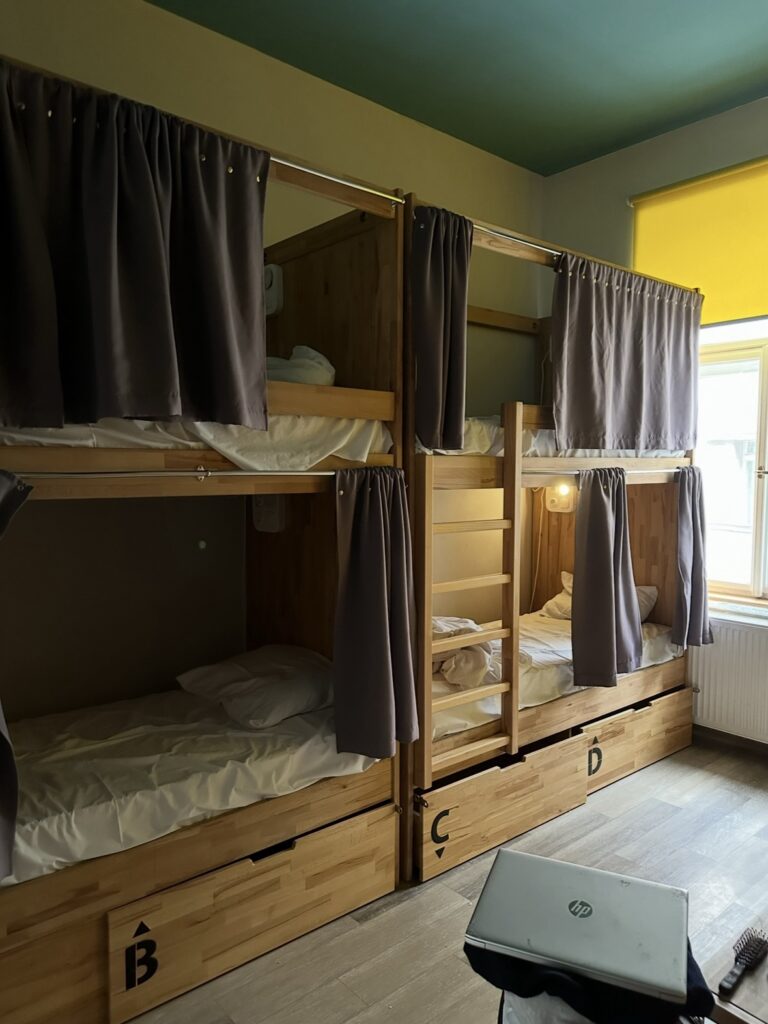
All-Male Dorms
All-male dorm rooms, again, are self-explanatory (and I don’t have any pictures of one, because I’ve never stayed in one, which goes without saying).
Mixed Dorms
Mixed dorm rooms are definitely the biggest source of uncertainty for travelers who are debating a hostel stay. In a mixed dorm room, you’re looking at the same factors–ensuite or shared bathroom, a wide range of beds–but with an additional wrench thrown into it: your hostel mates could be women or men. It’s a mix. In the same way that you pay less money for rooms with more people in them, you typically will find that mixed dorms are the cheapest. If the mere thought of that makes you uncomfortable, that is completely valid. The private and gendered rooms will be your best bet. I’ve mostly booked all-female dorms, but I’ve also made some cool guy friends over the years from my stays in mixed dorms, and the people I met never made me feel uncomfortable. To me, it’s just an uncomfortable situation in general, and then there’s the additional safety concern that us women have to prioritize wherever we go. Ultimately, it’s important to do what feels right for you.
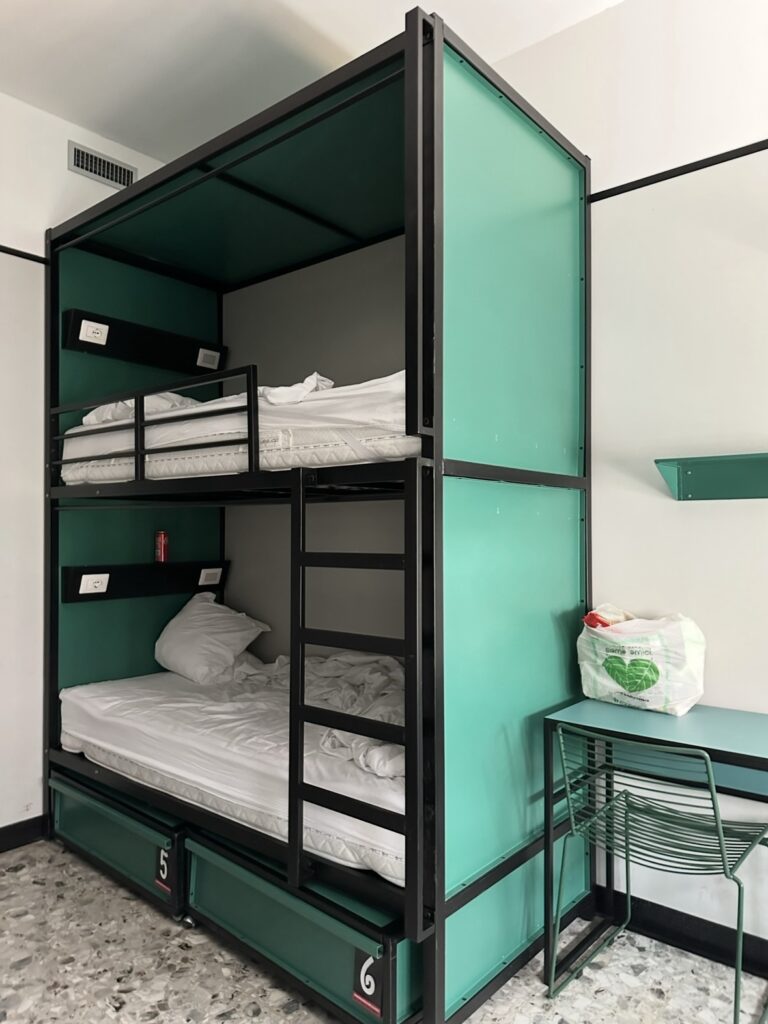
Pods/Capsules
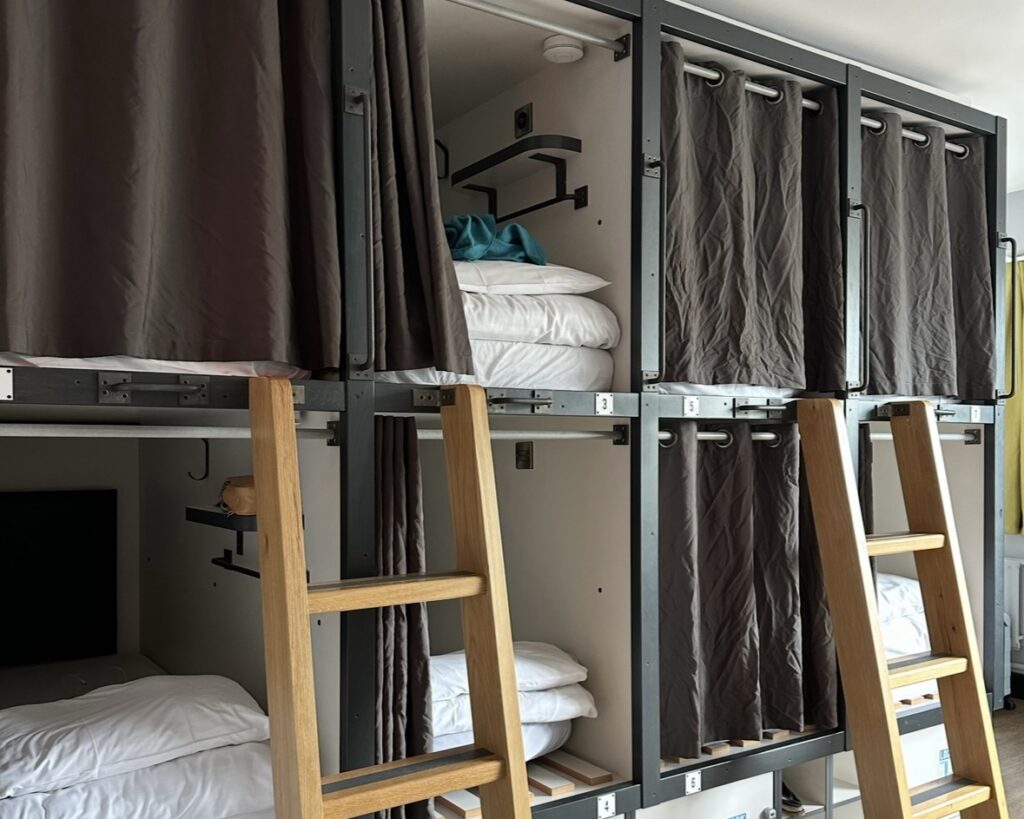
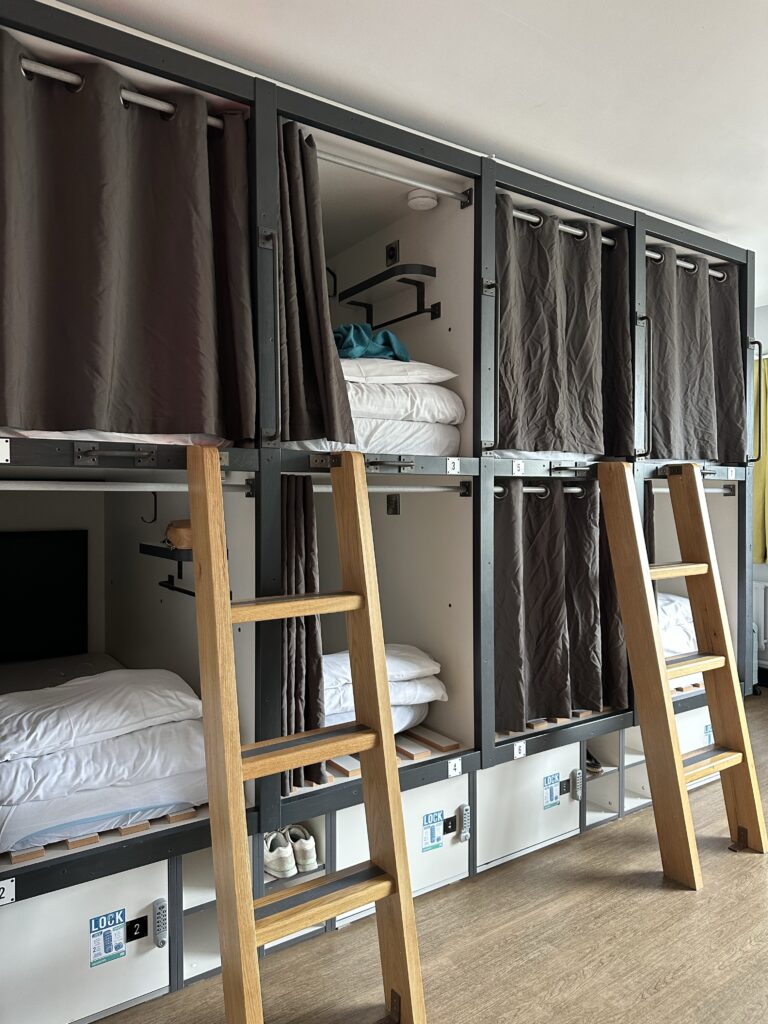
While we’re discussing dorms, it’s worth noting that there are several types of beds you might come across when booking. Typically, you’re looking at single beds or bunk beds. (Note: Of these, you will find some with curtains, and some without. I always recommend beds with curtains. The additional privacy makes the experience much more relaxing and comfortable). However, there is also another type of bed, which provides maximum privacy. Pods, or capsules, are a specific type of bed found in some dorm rooms that originated in Japan. They look like what they’re called: little pods that offer complete security, some even requiring keycard access to be opened. After staying at dozens of hostels, this bed type is without a doubt my favorite–you can keep your bedside light on late into the night without it disturbing anyone, your sounds are more muted within the walls of your pod (but you should still always be quiet and respectful after hours), and it feels like you’re in a mini oasis.
And that’s that on that! Hopefully this helped clear up any confusion you might have had surrounding hostel rooms.